



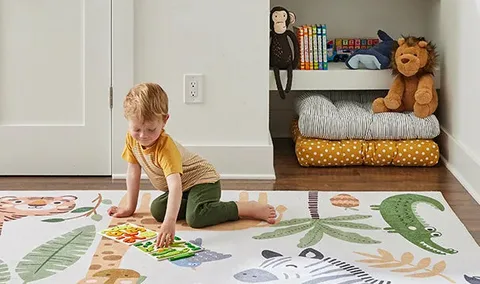
Parents spend hours researching the best desks, ergonomic chairs, and lighting for their child’s study area. Yet, they often overlook the foundation of the room: the floor. The ground beneath a child’s feet plays a massive role in how they interact with their space. A cold, hard floor invites quick movement and restlessness. A soft, grounded surface invites calmness and focus.
Creating a stimulating learning environment involves more than just textbooks and quiet time. It requires a physical space that signals to the brain that it is time to focus. This is where Kids Rugs come into play. They act as anchors for a room, transforming an undefined area into a dedicated zone for reading, building, and studying.
This guide breaks down exactly why a rug is an essential tool for your child’s development and how the right choice can turn a chaotic playroom into a structured learning hub.
The Role of Rugs in a Learning Space
Rugs do more than protect your floorboards. In a child’s room, they serve a psychological function. A rug adds a layer of warmth and security that hard surfaces lack. For younger children especially, the floor is their primary workspace. It is where they build blocks, draw on large paper, and spread out puzzles.
When a child feels physically comfortable, their ability to concentrate improves. A harsh environment creates subtle physical stress, leading to fidgeting and distraction. A soft, tactile surface removes that discomfort. It creates a sense of “place.” Just as adults feel more productive in a well-organized office, children feel more ready to learn when their physical environment feels welcoming and secure.
The Ambiente: Craftsmanship Meets Purpose
Finding the right foundation for a room starts with quality. The Ambiente, a design-led atelier based in Delhi, understands that a rug determines the mood of a living space. Located on MG Road in Sultanpur, this store brings over 30 years of expertise from its parent company, Bhadohi Carpets.
The brand stands out because it balances heritage skills with modern needs. Founders Avani and Ayush combined their backgrounds in business and design to create a collection that serves modern Indian homes. They work with a network of over 4,000 women weavers, ensuring that every piece supports a sustainable livelihood.
When you choose a rug from The Ambiente, you are not just buying decor. You are investing in a piece created through painstaking effort by skilled artisans. These premium rugs are built to last, making them ideal candidates for the high-traffic, high-energy environment of a child’s room.
How Kids Rugs Shape a Positive Environment
Adding a rug to a child’s room changes the acoustics, the aesthetic, and the functionality of the space. Here is how high-quality rugs from The Ambiente directly impact learning.
1. Visual Stimulation and Creativity
Children respond to color and pattern. A beige carpet might hide stains, but it does little to fire up the imagination. Kids Rugs with engaging patterns or vibrant colors act as visual stimuli. A rug with geometric shapes can help a toddler learn to identify forms. A rug with a nature motif can make a reading corner feel like an outdoor adventure.
The visual cue is powerful. It sets the tone. A bright, energetic rug signals play and creativity. A cooler, calmer blue or green rug can signal focus and study. By selecting the right visual tone, you help guide the child’s energy levels.
2. Physical Comfort for Extended Focus
Learning takes time. If a child sits on a hard floor to read or play a board game, physical discomfort sets in quickly. They shift weight, their legs fall asleep, and they abandon the task.
Handmade rugs, specifically those crafted from wool or silk blends found at The Ambiente, offer superior cushioning. This texture invites children to settle in. It makes the floor a viable place for homework or long reading sessions. When the body is comfortable, the mind stays engaged on the task at hand for longer periods.
3. Defining Zones in Open Spaces
Modern homes often feature open floor plans. While spacious, these layouts can be terrible for concentration. A child doing homework at the dining table deals with the distractions of the kitchen and the living room.
A rug solves this by creating a “room within a room.” Placing a rug under a desk or in a specific corner visually separates that area from the rest of the house. It creates a boundary. When the child steps onto the rug, they enter their learning zone. This physical boundary helps the brain switch modes from “home time” to “study time” without the need for building new walls.
4. Noise Reduction for Better Concentration
Hard surfaces reflect sound. In a room with tile or wood floors, a dropped pencil, a moving chair, or a sibling’s footsteps echo and amplify. These sharp noises break concentration instantly.
Textiles absorb sound. A thick, handmade rug acts as an acoustic damper. It softens the noise of foot traffic and absorbs the ambient sounds of the household. This creates a quieter, more muffled atmosphere. In this hush, a child finds it easier to read, think, and process information without constant auditory interruptions.
Selecting the Right Rug for Your Child
Choosing the right piece requires balancing aesthetics with practicality. Here is what to look for when you browse options or look to buy carpets online India.
Size and Shape
Don’t guess; measure the space.
- For a Desk: Ensure the rug is large enough that the chair stays on the rug even when pulled out. This prevents the chair legs from catching on the edge.
- For a Reading Nook: A round rug works beautifully in a corner. It softens the hard angles of the room and creates a cozy “nest” effect.
- For a Play Area: Go big. The rug should cover the main area where the child moves to maximize sound absorption and comfort.
Material and Durability
Kids are messy. Markers cap fall off; juice boxes spill. You need a material that handles real life.
- Wool: This is the gold standard. It is naturally stain-resistant, durable, and soft. It cleans well and holds its shape despite heavy foot traffic.
- Synthetic Blends: These can be easier to clean but often lack the longevity and tactile warmth of natural fibers.
- Hand-Knotted vs. Tufted: Hand-knotted rugs are incredibly durable and lay flat, removing tripping hazards.
Design and Color
Find the middle ground between stimulating and distracting.
- Too Busy: A rug with a chaotic pattern might make it hard to find dropped Lego pieces and can visually clutter the mind.
- Too Plain: A solid white rug in a kid’s room is a recipe for disaster regarding stains.
- The Sweet Spot: Look for heathered colors or structured patterns. These hide minor spots and add interest without overwhelming the senses.
Creating the Foundation for Success
A learning environment is a complex ecosystem. It includes the books on the shelf, the light in the lamp, and the ground underfoot. A high-quality rug ties these elements together. It provides the quiet, the comfort, and the visual structure a child needs to focus.
The Ambiente offers a collection that respects the need for durability without sacrificing style. By choosing a handmade piece, you provide a stable, beautiful foundation for your child’s growth.
Ready to transform your child’s study space? Visit The Ambiente in Delhi or browse the collection online to find the perfect addition to your home.
