



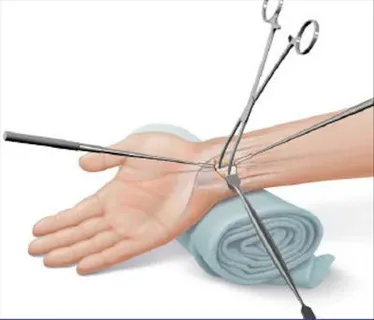
Carpal tunnel syndrome (CTS) is a common condition that causes numbness, tingling, and weakness in the hand and wrist. For many patients, surgery becomes necessary when conservative treatments fail. Understanding life after carpal tunnel surgery: recovery timeline and success rates can help patients set realistic expectations and plan for a smooth recovery.
What to Expect Immediately After Surgery
After carpal tunnel release surgery, patients may experience swelling, soreness, and mild pain at the incision site. Your doctor may recommend keeping the hand elevated and using a splint to support proper healing. During the first few days, it’s normal to have limited hand function and a need for pain management with medications or cold compresses.
Tips for Early Recovery
- Keep the surgical site clean and dry
- Follow your doctor’s instructions regarding bandages and splints
- Limit heavy lifting or repetitive hand movements
- Engage in gentle finger exercises to maintain mobility
Recovery Timeline
The recovery timeline for carpal tunnel surgery varies depending on the severity of the condition, surgical technique, and individual healing rates. Here’s a general guide:
- Week 1–2: Pain and swelling are most pronounced; gentle hand movements may begin.
- Weeks 3–4: Most patients regain basic hand function and can resume light activities.
- Weeks 6–8: Many patients return to work, especially if it involves minimal hand strain.
- Months 3–6: Full strength and sensation typically return, although some patients may continue to notice minor stiffness or numbness.
It’s important to follow rehabilitation exercises prescribed by your healthcare provider to ensure optimal recovery.
Success Rates of Carpal Tunnel Surgery
Carpal tunnel surgery is generally considered highly effective. Studies show that life after carpal tunnel surgery: recovery timeline and success rates can vary, but overall patient satisfaction is high. Approximately 70–90% of patients experience significant relief from pain and tingling, while most regain hand strength within a few months.
Factors that influence success rates include:
- Early intervention before severe nerve damage
- Adherence to post-surgery rehabilitation
- Overall health and absence of complicating conditions such as diabetes
Long-Term Outlook
Most patients enjoy long-term relief from CTS symptoms after surgery. However, it’s important to maintain good hand ergonomics and avoid repetitive strain to prevent recurrence. Life after carpal tunnel surgery is typically marked by improved hand function and reduced discomfort, contributing to a better quality of life.
Conclusion
Understanding life after carpal tunnel surgery: recovery timeline and success rates can help patients navigate the recovery process with confidence. By following medical advice, performing recommended exercises, and allowing adequate healing time, most individuals experience a successful outcome and can return to their daily activities with minimal limitations.
