



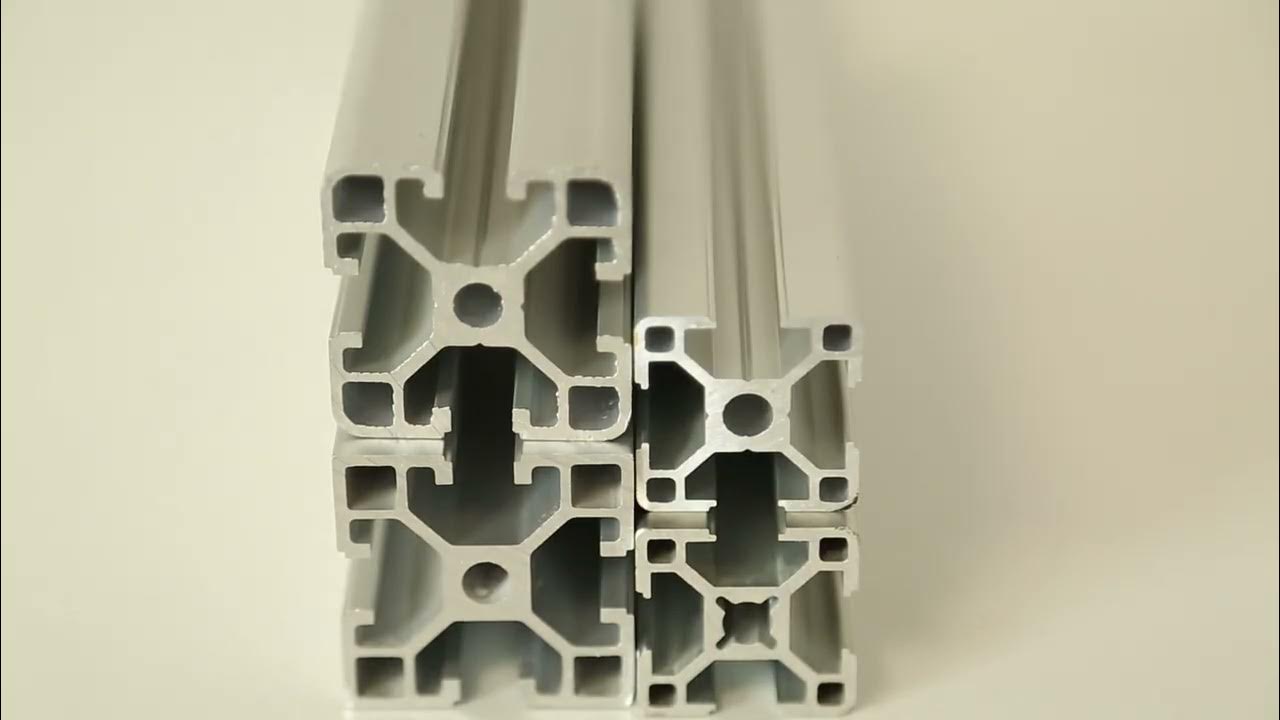
Aluminium profiles have become a cornerstone of modern engineering, construction, and manufacturing across New Zealand. In this guide, we’ll explore Aluminium Profiles NZ Explained: Types, Uses, and Key Industry Applications, breaking down what they are, how they are used, and why they matter across multiple industries in the country.
From residential building frames to advanced industrial systems, aluminium profiles are valued for their strength, versatility, and corrosion resistance, making them an essential material in New Zealand’s evolving infrastructure landscape.
What Are Aluminium Profiles in New Zealand?
Aluminium profiles are shaped aluminium components produced through extrusion, allowing them to be formed into precise cross-sectional designs. In New Zealand, they are widely used due to their lightweight nature and durability in coastal and variable weather conditions.
These profiles can be customized for different structural and aesthetic purposes, making them suitable for both commercial and residential applications.
Types of Aluminium Profiles Used in NZ
There are several common types of aluminium profiles used throughout New Zealand industries:
1. Standard Structural Profiles
These include angles, channels, and beams used in framing, support structures, and construction projects.
2. Architectural Profiles
Designed for windows, doors, curtain walls, and façades, these profiles combine functionality with modern design aesthetics.
3. Industrial Profiles
Used in machinery, automation systems, and manufacturing lines, these are engineered for precision and strength.
4. Custom Extruded Profiles
Tailored solutions designed for specific applications across industries such as transport, marine, and electronics.
Why Aluminium Profiles NZ Explained: Types, Uses, and Key Industry Applications Matters for Modern Construction
Understanding Aluminium Profiles NZ Explained: Types, Uses, and Key Industry Applications is essential for architects, engineers, and manufacturers because it highlights how adaptable aluminium has become in modern design and infrastructure.
New Zealand’s construction industry, in particular, benefits from aluminium profiles due to:
- Resistance to corrosion in coastal environments
- Lightweight properties that reduce structural load
- High recyclability supporting sustainability goals
- Flexibility in design and fabrication
These advantages make aluminium profiles a preferred choice in both large-scale infrastructure and smaller residential builds.
Key Uses and Industry Applications in New Zealand
Aluminium profiles are used across a wide range of sectors, including:
Construction and Architecture
Used in window frames, roofing systems, façades, and structural frameworks.
Transportation Industry
Essential in vehicle frames, trailers, rail systems, and marine applications due to their strength-to-weight ratio.
Manufacturing and Automation
Widely used in conveyor systems, machine frames, and modular production setups.
Renewable Energy
Applied in solar panel mounting systems and wind energy infrastructure.
Benefits of Aluminium Profiles
The popularity of aluminium profiles in New Zealand comes from several key advantages:
- Durability: Long lifespan even in harsh environments
- Lightweight: Easier handling and reduced transport costs
- Corrosion Resistance: Ideal for coastal regions
- Sustainability: Fully recyclable without loss of quality
- Design Flexibility: Suitable for complex and custom applications
Conclusion: Aluminium Profiles NZ Explained: Types, Uses, and Key Industry Applications
In summary, Aluminium Profiles NZ Explained: Types, Uses, and Key Industry Applications provides a clear understanding of why these materials are so widely used across New Zealand’s construction, manufacturing, and industrial sectors.
Their combination of strength, adaptability, and sustainability ensures that aluminium profiles will continue to play a vital role in shaping modern infrastructure and innovation across the country.
