



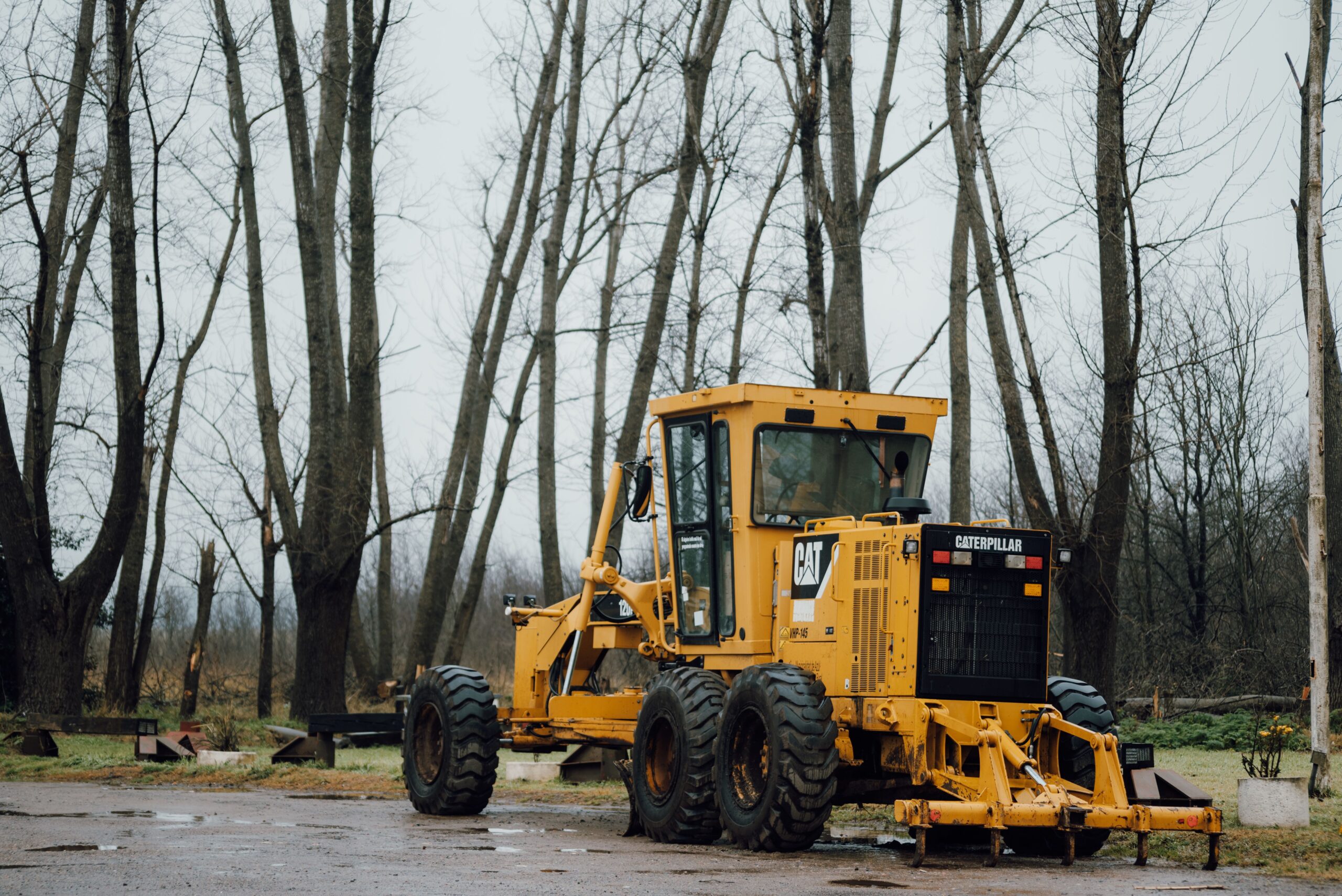
Heavy equipment operators rely on consistent engine power to keep demanding job sites running smoothly every day. When forced-induction components begin to fail, choosing between a full unit replacement or a precision rebuild becomes a major decision. Evaluating the actual condition of internal parts helps equipment managers protect their machinery investments without spending extra money.
Evaluating the Overall Extent of Internal Mechanical Damage
Understanding the exact cause of power loss requires a thorough physical inspection of the internal housing. If the compressor wheel makes contact with the outer casing, fine metal debris can spread throughout the entire intake system. In those severe situations, installing a fresh assembly often saves time and prevents repeated mechanical failures down the line. Catching this type of severe damage before metal particles reach the engine cylinders prevents an even more catastrophic repair bill.
When wear remains limited to worn brass bushings or tired rubber seals, a basic overhaul usually restores full performance. Technicians can replace smaller internal parts while keeping the original heavy cast housings intact. Taking time to inspect internal surfaces early prevents minor shaft movement from turning into catastrophic engine damage.
Comparing Immediate Repair Costs Against Long Term Operational Value
Budget constraints play a significant role whenever heavy machinery requires unexpected shop repairs. A quality rebuild kit generally costs a fraction of the price of buying a brand-new complete unit outright. However, labor expenses can accumulate quickly if a technician spends hours meticulously balancing tiny internal components.
A complete replacement unit often comes with extended warranty protection that covers future unexpected breakdowns. Equipment owners must weigh immediate out-of-pocket expenses against the long-term peace of mind that fresh hardware provides.
Balancing these financial factors ensures that the chosen repair path aligns with overall business goals. Making a smart financial choice keeps your equipment working efficiently without draining your operating budget. Taking the time to evaluate long-term maintenance costs helps maintain a healthy bottom line while keeping your fleet fully operational.
Assessing Equipment Downtime and Project Schedules
Job site deadlines leave very little room for extended equipment delays or unexpected mechanical setbacks. Sourcing individual internal seals and waiting for specialized machining services can keep a machine grounded for days. Purchasing a pre-assembled unit allows mechanics to complete the swap quickly and return the machine directly to work.
If a machine can sit idle without disrupting daily work schedules, a rebuild offers a very practical route. Specialized engineering facilities supply precision components designed to match strict factory tolerances. Sourcing a durable replacement CAT turbocharger ensures that heavy equipment continues operating at peak efficiency under severe working conditions.
Analyzing Overall Engine Age and Total Operating Hours
The remaining lifespan of the underlying diesel engine should always guide major component repair choices. Installing a brand-new high-end unit on an old engine near the end of its service life rarely makes financial sense. Matching the expected service life of the repair to the remaining life of the truck creates a balanced investment.
For newer machines with low total operating hours, investing in a complete replacement protects long-term resale value. Older workhorses with high hours often benefit more from a cost-effective rebuild that gets the machine back into service. Thinking about the total lifespan of the vehicle helps owners make sensible mechanical choices.
Understanding Quality Variations in Replacement Parts and Components
Hardware Durability: Not all replacement hardware delivers the same level of durability under continuous heavy engine loads. Inexpensive aftermarket overhaul kits sometimes use lower-grade metals that wear out prematurely under extreme exhaust heat. Choosing high-quality components made from durable alloys ensures that the repaired unit survives heavy work shifts.
Precision Dynamic Balancing: Proper dynamic balancing of high-speed shafts remains essential for smooth operation after any overhaul effort. Skipping crucial balancing steps leads to severe vibration that quickly destroys fresh internal bearings. Partnering with reputable parts suppliers guarantees that your repaired hardware performs reliably for years to come.
Conclusion
Deciding whether to rebuild or replace a heavy-duty forced-induction unit comes down to balancing repair costs against equipment downtime while evaluating overall engine condition. While overhauling existing hardware saves money when internal damage remains minor, installing a fresh unit offers quick installation and total peace of mind. By evaluating your machine’s operational demands and choosing high-quality components, you can keep your heavy equipment performing reliably on every job site.
