



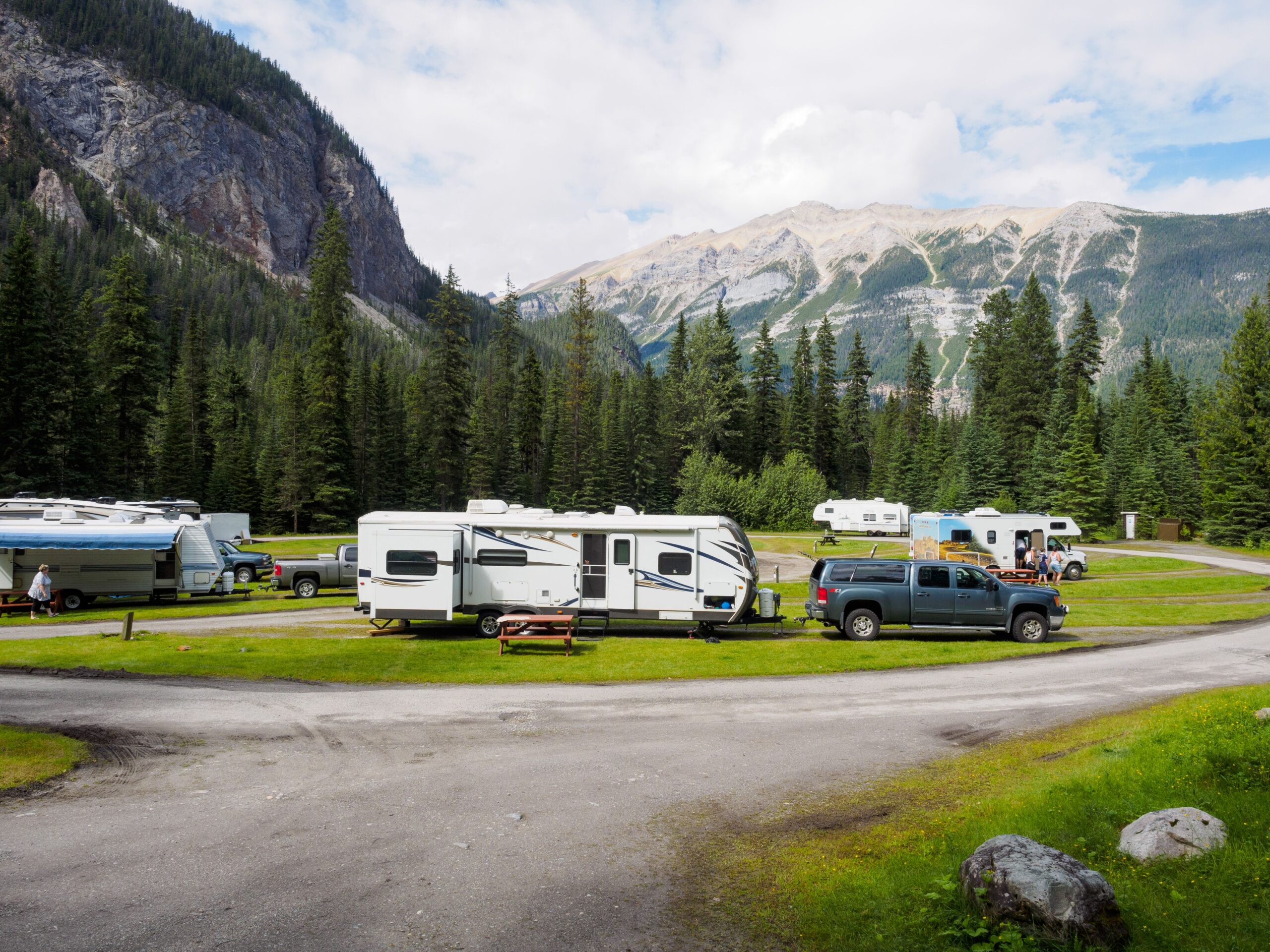
Choosing an RV campground is an important part of planning a comfortable road trip. Where you park your RV affects how easily you access the surrounding area, how convenient your stay feels, and how much you enjoy your time away from home. A campground that looks appealing online may not necessarily suit the way you travel, so it helps to look beyond the basic photos and location.
Whether you are planning a weekend getaway or a longer road trip, considering a few practical details before booking may help you find a campground that fits your needs.
Consider the Location
Location is one of the first things to evaluate when comparing RV campgrounds. Think about what you want to do during your trip and how far you want to travel from your campsite to reach those destinations.
If sightseeing is the main purpose of your trip, a campground near the attractions you want to visit may reduce unnecessary driving. On the other hand, travelers looking for a quieter experience may prefer a campground farther from busy tourist areas.
Also consider the surrounding area. Check whether grocery stores, restaurants, fuel stations, medical facilities, and other useful services are reasonably accessible. Having essential services nearby may be particularly helpful during longer stays.
For travelers exploring destinations such as southern Utah, for example, a property such as Zion Vacation RV Park may appear among campground options when researching places to stay. The important consideration is whether the location works for your specific itinerary, travel schedule, and preferences.
Check The Available RV Amenities
Not every campground provides the same amenities, so review what is included before making a reservation. Basic services may include electrical hookups, water access, sewer connections, restrooms, and laundry facilities.
Think about which amenities you actually use. A traveler staying for one night may have different priorities from someone spending a week at the same location.
It is also worth checking whether the campground provides Wi-Fi, picnic areas, recreational spaces, showers, or other conveniences. If you are traveling with children or pets, look for facilities that accommodate everyone in your group.
Do not assume that an amenity is available simply because it is common at other campgrounds. Confirm the details before booking so there are fewer surprises when you arrive.
Review Site Size And Accessibility
Your RV’s size matters when selecting a campground. A site that works well for a compact camper may not provide enough room for a larger motorhome or travel trailer.
Check the campground’s stated site dimensions and determine whether they accommodate your vehicle, including any additional equipment you plan to use. Consider how easy it will be to enter and leave the site as well.
Accessibility is another important factor. Narrow roads, sharp turns, low branches, or limited maneuvering space may make certain campgrounds challenging for larger RVs.
If you are unsure whether a site is suitable, contact the campground before booking and provide your RV’s dimensions. Getting clarification ahead of time is easier than discovering an access problem after arrival.
Look At The Campground Environment
The overall atmosphere of a campground may have a major effect on your experience. Some travelers enjoy busy properties with plenty of activities and social opportunities. Others prefer quieter surroundings where they have more privacy.
Look at photos and reviews to get a sense of the environment, but remember that individual experiences vary. Pay attention to recurring comments about noise, cleanliness, traffic, and general upkeep rather than focusing on one isolated review.
Think about the type of trip you want. If your goal is to spend most of your time exploring nearby attractions, a lively campground may not matter as much. If you expect to spend significant time at your campsite, the atmosphere becomes more important.
Understand The Rules And Policies
Every campground has its own rules, and reviewing them before booking may prevent unnecessary problems. Check policies regarding pets, quiet hours, campfires, visitors, parking, generators, and the length of stay.
You should also understand cancellation and reservation policies. Travel plans sometimes change, and knowing whether you have flexibility with your booking may influence which campground you choose.
Pet owners should pay particular attention to animal restrictions. Some campgrounds have breed, size, or leash requirements, while others may limit where pets are permitted.
If you are traveling with children or a large group, check occupancy rules and visitor policies as well. A campground that meets your location and amenity preferences may still not be appropriate if its policies conflict with your plans.
Consider Cleanliness And Maintenance
Clean facilities contribute significantly to a comfortable campground experience. Before booking, look for information about how frequently restrooms, showers, laundry areas, and shared spaces are maintained.
Online reviews may provide useful insight into cleanliness, although conditions may change over time. Look for recent feedback when possible and consider whether multiple guests mention the same concerns.
You should also consider the condition of the individual sites. Well-maintained roads, clear spaces, functioning hookups, and properly managed common areas may indicate that the property receives regular attention.
Maintenance matters even more during extended stays because you will spend more time using the campground’s facilities and surrounding spaces.
Think About Your Overall Travel Needs
The right RV campground depends on more than a convenient location. Consider how you plan to spend your days, who you are traveling with, what your RV requires, and how much time you expect to spend at the campground.
Create a simple checklist before comparing properties. Think about your preferred location, necessary hookups, site size, pet requirements, desired amenities, and budget. This makes it easier to compare campgrounds based on what actually matters to you.
A little research before booking may also help you avoid paying for features you will never use. At the same time, spending slightly more for an amenity that significantly improves your stay may be worthwhile.
Choose A Campground That Fits Your Trip
An RV campground becomes part of the travel experience, not just a place to park overnight. The right choice gives you a practical base for exploring the area while providing the comfort and services you need during your stay.
Before making a reservation, review the location, hookups, site dimensions, campground environment, policies, and maintenance standards. Consider recent reviews and contact the property directly if important details are unclear.
Most importantly, think about your own travel style. A campground that works perfectly for one traveler may not suit another. By matching the campground to your RV, itinerary, and expectations, you set yourself up for a more comfortable and enjoyable road trip.
