



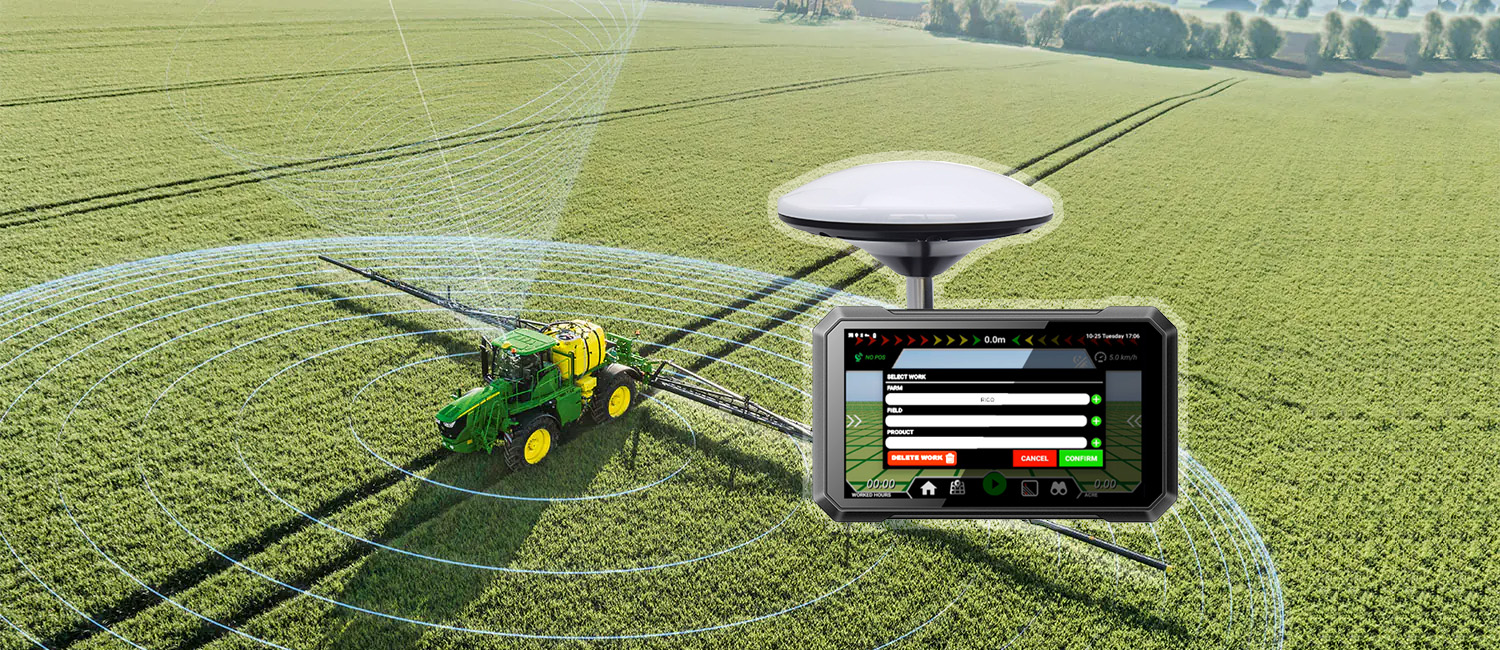
Global Positioning System (GPS) technology has become an essential part of modern navigation, agriculture, construction, and many other industries. While standard GPS offers a general location with reasonable accuracy, precision gps solutions take it a step further, providing centimeter-level accuracy that is crucial for professional applications. This article provides A Beginner’s Introduction to Precision GPS Solutions, explaining what they are, how they work, and why they matter.
What Are Precision GPS Solutions?
Precision GPS solutions are advanced navigation systems that enhance the accuracy of standard GPS technology. Unlike consumer GPS, which typically provides location data accurate to a few meters, precision GPS can pinpoint locations within a few centimeters. This level of accuracy is achieved through the use of techniques such as Real-Time Kinematic (RTK) positioning and Differential GPS (DGPS).
These solutions are widely used in sectors like:
- Agriculture – for precision farming and automated equipment guidance
- Construction – for surveying and site planning
- Surveying – for mapping and land measurement
By understanding A Beginner’s Introduction to Precision GPS Solutions, users can appreciate the difference between standard GPS and high-accuracy systems.
How Precision GPS Solutions Work
The core technology behind precision GPS solutions relies on correction signals from a network of base stations. These base stations provide real-time data that compensates for errors caused by atmospheric conditions, satellite orbits, and other factors.
Key Components:
- Base Station – Fixed location station that provides correction data.
- Rover Receiver – Mobile GPS receiver that uses corrections to improve accuracy.
- Communication Link – A method to transmit correction data, often via radio, cellular, or satellite networks.
With these components working together, precision GPS solutions can achieve accuracies of a few centimeters, making them indispensable for tasks that demand high precision.
Benefits of Using Precision GPS Solutions
Implementing precision GPS solutions offers several advantages:
- Enhanced Accuracy: Perfect for projects requiring detailed measurements.
- Time Efficiency: Faster and more reliable data collection compared to traditional methods.
- Cost Savings: Reduces errors and rework in construction, farming, and surveying.
For beginners, learning the fundamentals of A Beginner’s Introduction to Precision GPS Solutions can be the first step toward leveraging this technology effectively in real-world applications.
Getting Started with Precision GPS
For those new to precision GPS, consider the following steps:
- Research Equipment: Choose the right combination of base station and rover for your application.
- Training and Tutorials: Many manufacturers provide beginner-friendly guides and online courses.
- Practice in the Field: Start with small projects to understand how correction signals affect accuracy.
By taking these steps, anyone can confidently start using precision GPS solutions for professional or personal projects.
In summary, A Beginner’s Introduction to Precision GPS Solutions helps new users understand the technology, its benefits, and practical applications. With a basic grasp of these systems, you can unlock the full potential of GPS beyond consumer-level navigation.
