



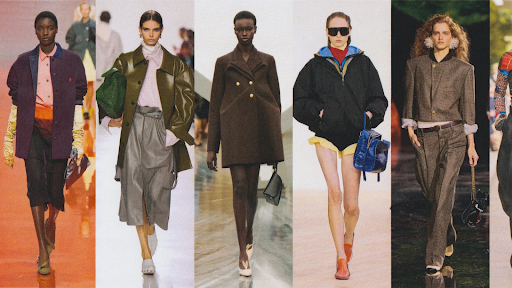
A New Chapter in the Fashion Industry
Fashion in 2026 is more than just clothing — it is a powerful form of self-expression, cultural identity, and technological innovation. The industry has transformed significantly over the past decade, influenced by sustainability movements, digital transformation, and shifting consumer values. Today, fashion blends creativity with responsibility, redefining how people design, produce, and wear clothing.
From luxury runways to everyday streetwear, fashion reflects global conversations about climate change, inclusivity, and individuality. Consumers are now more conscious about what they wear and where it comes from, pushing brands to adapt and evolve.
Sustainability Takes Center Stage
One of the most significant trends in 2026 is sustainable fashion. Brands are focusing on eco-friendly materials, ethical labor practices, and circular production models. Major fashion houses like Gucci and Stella McCartney continue to invest in sustainable fabrics and transparent supply chains.
Recycled textiles, biodegradable materials, and plant-based leather alternatives are becoming mainstream. Thrifting and secondhand marketplaces are also growing rapidly, reducing textile waste and promoting conscious consumption.
Consumers are no longer impressed solely by logos mahjong ways 2 or brand prestige — they value authenticity and environmental responsibility.
Digital Fashion and Technology Integration
Technology is reshaping the fashion landscape. Digital fashion shows, virtual fitting rooms, and AI-powered styling tools are enhancing the customer experience. Brands such as Balenciaga and Nike are experimenting with virtual collections and digital collaborations.
Augmented Reality (AR) allows customers to “try on” clothes using smartphones, reducing return rates and improving satisfaction. Meanwhile, Artificial Intelligence analyzes shopping behavior to provide personalized recommendations.
The rise of digital-only fashion — clothing designed exclusively for online avatars and social media — is also gaining attention. As virtual spaces expand, fashion becomes part of digital identity.
The Influence of Streetwear and Global Culture
Streetwear continues to dominate mainstream fashion in 2026. What started as a subculture has evolved into a global movement influencing high-end designers and luxury brands. Collaborations between sportswear companies and fashion houses are common, blending comfort with premium aesthetics.
Cultural diversity plays a vital role in shaping trends. Designers draw inspiration from traditional textiles, regional craftsmanship, and global art movements. Social media platforms amplify emerging voices, allowing independent designers to reach international audiences instantly.
Fashion is now more inclusive than ever, embracing different body types, gender identities, and cultural backgrounds.
The Rise of Smart and Functional Fashion
Innovation goes beyond aesthetics. Smart clothing embedded slot bet kecil with wearable technology is becoming more accessible. From temperature-regulating fabrics to fitness-tracking apparel, functionality meets style.
Athleisure remains popular as people prioritize comfort without sacrificing appearance. Hybrid wardrobes — outfits that transition seamlessly from work to social settings — reflect modern lifestyles.
Consumers seek versatility, durability, and practicality alongside visual appeal.
The Future of Fashion
Looking ahead, the fashion industry will continue balancing creativity, sustainability, and technology. Transparent supply chains, on-demand production, and AI-driven design may become standard practices.
Brands that adapt to conscious consumer behavior and digital transformation will thrive. At the same time, individuality will remain at the heart of fashion — empowering people to tell their own stories through what they wear.
Fashion in 2026 is a vibrant fusion of technology, sustainability, and self-expression. The industry has moved beyond traditional designs, embracing innovative materials like bio-fabricated textiles and recycled fabrics to reduce environmental impact. Consumers today demand transparency and ethical practices, pushing brands to rethink their entire supply chains — from sourcing raw materials to manufacturing and distribution.
Digital fashion is reshaping how we experience style. Virtual runways, augmented reality (AR) try-ons, and AI-driven personalization allow shoppers to explore collections in immersive ways before making a purchase. This shift not only enhances convenience but also minimizes waste by reducing overproduction.
Identity remains at the heart of fashion. People use clothing as a powerful tool to celebrate diversity, culture, and individuality. Inclusive sizing, gender-neutral designs, and culturally inspired collections reflect a more open and accepting society.
Moreover, smart clothing is gaining momentum — garments embedded with sensors that monitor health or adapt to environmental conditions are no longer futuristic ideas but practical wardrobe choices.
In essence, fashion in 2026 balances creativity with responsibility. It’s about pushing boundaries while honoring the planet and empowering individuals to express their unique stories through style. The future of fashion is as dynamic and diverse as the people it serves.
Conclusion
Fashion in 2026 represents a dynamic intersection of art, innovation, and responsibility. It is no longer just about trends, but about values, identity, and impact.
As the industry evolves, fashion will continue shaping culture while responding to the demands of a more aware and connected global community.
