



Maintaining a clean, defined edge along your lawn or garden can instantly elevate the appearance of your outdoor space. But when it comes to choosing the right tool, the debate often comes down to gas vs electric push edger. Each type has its advantages and disadvantages, depending on your lawn size, terrain, and personal preferences.
Understanding Push Edgers
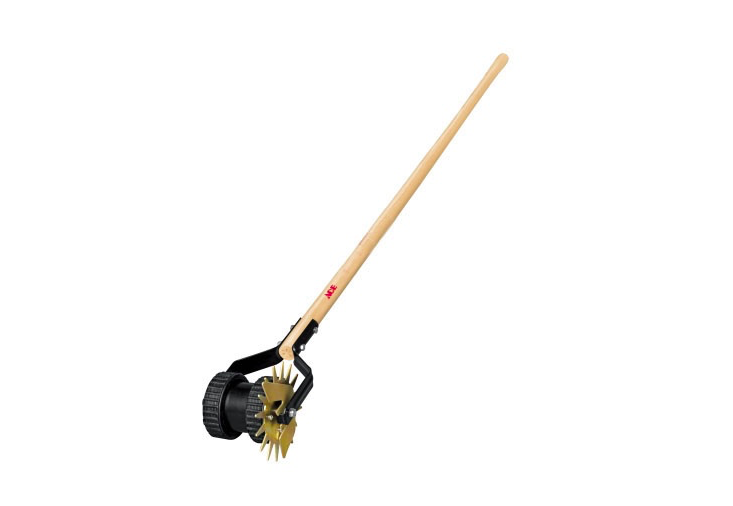
A push edger is a lawn tool designed to create neat borders along sidewalks, driveways, and garden beds. Unlike traditional trimmers, push edgers slice through soil and grass to produce a clean line, giving your landscape a professional finish.
When selecting a push edger, you’ll likely encounter two primary options: gas-powered and electric-powered. Here’s a breakdown to help you decide.
Gas Push Edgers: Power and Performance
Gas push edgers are known for their raw power and durability. Some key benefits include:
- High Power Output: Ideal for thick grass, tough soil, and larger yards.
- Mobility: No cords or batteries limit your range, making it perfect for expansive properties.
- Longevity: With proper maintenance, gas edgers can last for many years.
However, they come with drawbacks: higher noise levels, frequent maintenance, and fuel costs. If you have a large lawn or require heavy-duty edging, a gas push edger might be the better choice.
Electric Push Edgers: Convenience and Eco-Friendliness
Electric push edgers, whether corded or battery-operated, are gaining popularity for their ease of use. Advantages include:
- Low Maintenance: No oil changes or fuel mixing needed.
- Quiet Operation: Perfect for suburban neighborhoods.
- Eco-Friendly: Zero emissions, reducing your environmental footprint.
The downside is that corded models limit your movement, while battery-powered models may require multiple charges for larger jobs. Electric push edgers are best suited for small to medium-sized lawns with light to moderate edging needs.
Gas vs Electric Push Edger: Making the Right Choice
Choosing between a gas vs electric push edger ultimately depends on your specific needs:
- Lawn Size: Gas is preferable for large lawns, electric works well for small to medium areas.
- Soil Conditions: Thick, compact soil favors gas edgers; lighter soil can be handled by electric models.
- Noise and Environmental Concerns: If quiet operation and low emissions are important, electric is the way to go.
By weighing these factors, you can select the push edger that matches your lifestyle and yard requirements.
Conclusion
Both gas and electric push edgers have their strengths. For homeowners with large, rugged lawns, a gas push edger offers unmatched power and versatility. For those seeking convenience, quiet operation, and eco-friendly options, an electric push edger may be the perfect fit. Evaluating your yard’s size, soil type, and personal priorities will ensure you make the best choice when deciding between a gas vs electric push edger.
