



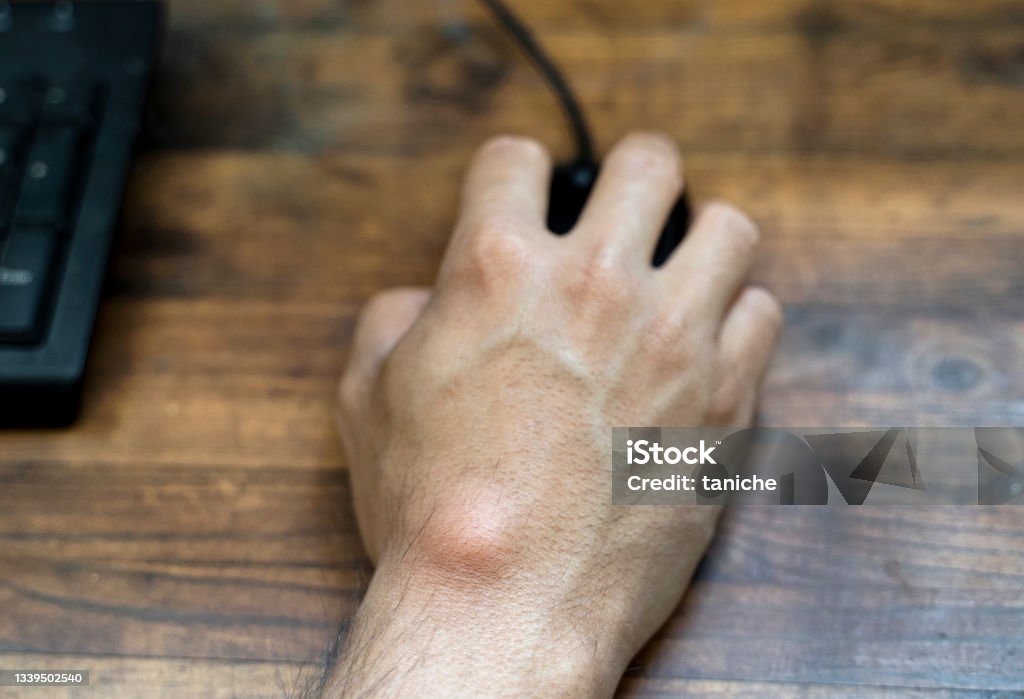
Ganglion cysts are noncancerous lumps that commonly develop along the tendons or joints of the wrists, hands, and fingers. While they are generally harmless, they can sometimes cause discomfort or restrict movement. Many individuals prefer to explore non-surgical approaches before considering invasive procedures. In this article, we’ll discuss effective non-surgical options for managing a ganglion cyst.
Understanding Ganglion Cysts
A ganglion cyst is filled with a jelly-like fluid and usually varies in size. Although the exact cause is unclear, repetitive stress or irritation of the joint or tendon may contribute to its formation. Symptoms can include swelling, tenderness, or limited range of motion. Importantly, these cysts often resolve on their own, which makes conservative treatments a viable first step.
Observation and Monitoring
One of the simplest non-surgical options for managing a ganglion cyst is careful observation. Many cysts shrink or disappear without intervention. Doctors may recommend monitoring the cyst for changes in size, shape, or symptoms. Keeping a record of any discomfort or mobility issues can help determine if further treatment is necessary.
Immobilization Techniques
Splinting or bracing the affected area can reduce movement and stress on the joint, which may help shrink the cyst over time. Using a wrist brace or finger splint is a practical non-surgical option for managing a ganglion cyst that minimizes irritation and allows natural healing.
Aspiration Procedures
Aspiration involves draining the fluid from the cyst using a needle. While it is a minimally invasive procedure, it is considered non-surgical because it does not require cutting into the skin. Aspiration can relieve pain and reduce swelling temporarily, but there is a chance the cyst may return. Combining aspiration with activity modification and splinting often improves long-term results.
Lifestyle and Home Remedies
Several home-based strategies can support recovery and reduce discomfort:
- Rest: Avoid activities that strain the affected joint.
- Ice Therapy: Apply ice packs to decrease swelling.
- Gentle Exercises: Maintain flexibility without aggravating the cyst.
Although these methods are not a cure, they complement other non-surgical options for managing a ganglion cyst and can improve overall comfort.
When to Seek Medical Advice
While non-surgical treatments are effective for many, it’s important to consult a healthcare professional if the cyst causes severe pain, limits mobility, or shows signs of infection. In some cases, surgical removal may become necessary, but it is usually considered only after conservative methods have been attempted.
Conclusion
Non-surgical approaches for ganglion cysts focus on relieving symptoms and allowing natural resolution. Observation, immobilization, aspiration, and home remedies offer safe, effective alternatives to surgery. Exploring these non-surgical options for managing a ganglion cyst provides patients with a flexible and low-risk strategy to address this common condition.
