



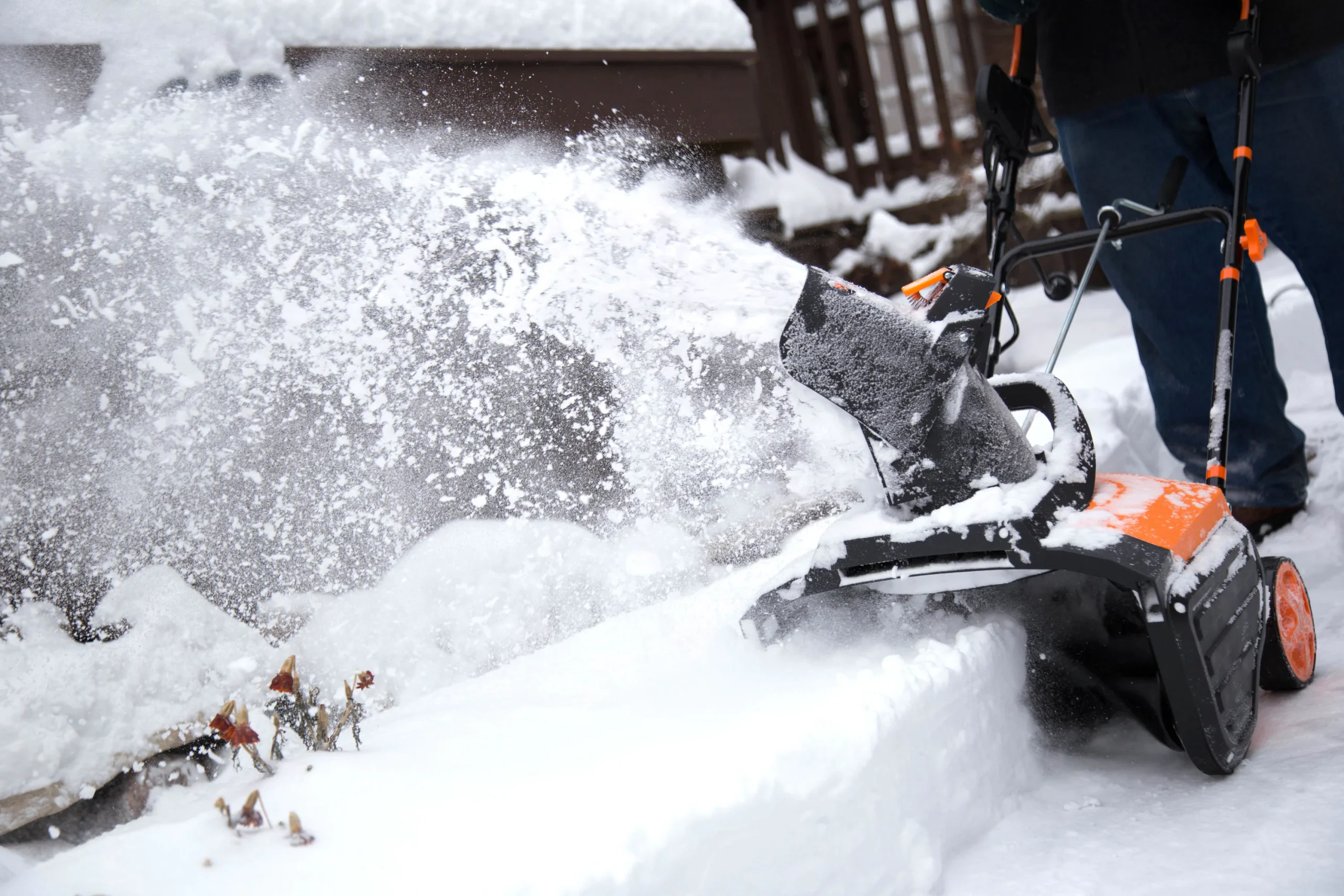
Winter can bring heavy snowfall, turning driveways and sidewalks into challenging obstacles. For first-time users, choosing the right snow blower can feel overwhelming. This Snow Blower Buying Guide for First-Time Users will help simplify the process and ensure you make a confident purchase.
Why a Snow Blower is Essential for Homeowners
Shoveling snow can be exhausting and time-consuming. A snow blower is a more efficient, safer alternative that saves your back and time. For first-time buyers, understanding the types, features, and maintenance of snow blowers is crucial to get the most value for your investment.
Types of Snow Blowers
There are three main types of snow blowers you should know:
1. Single-Stage Snow Blowers
Single-stage snow blowers are lightweight and ideal for light to moderate snowfall. They work best on paved surfaces and can clear snow up to 8–12 inches deep. They are easy to maneuver, making them a good option for beginners.
2. Two-Stage Snow Blowers
Two-stage snow blowers are more powerful and suitable for larger driveways and heavy snowfall. They use an auger and impeller system to throw snow farther, which makes clearing large areas faster. These are perfect for first-time users dealing with heavy winters.
3. Three-Stage Snow Blowers
Three-stage snow blowers are the most powerful and handle deep, heavy snow with ease. They are typically used in regions with extreme winter conditions. While more expensive, they provide unmatched efficiency.
Key Features to Consider
When following a Snow Blower Buying Guide for First-Time Users, focus on these features:
- Clearing Width & Depth: Wider and deeper clearing capabilities save time but can be harder to maneuver.
- Power Source: Gas models offer more power for heavy snow, while electric models are quieter and easier to maintain.
- Drive System: Self-propelled blowers reduce physical effort, which is helpful for beginners.
- Adjustable Chute: Allows you to control the direction of the snow discharge.
Maintenance Tips for Longevity
Maintaining your snow blower ensures it works efficiently for years:
- Check and replace belts regularly.
- Keep the auger clean to prevent clogs.
- Change oil and spark plugs as recommended in the manual.
- Store the snow blower in a dry place during the off-season.
Conclusion
Choosing the right snow blower doesn’t have to be intimidating. This Snow Blower Buying Guide for First-Time Users highlights the essential types, features, and maintenance tips to help you make a smart decision. Investing in the right model will make winter snow removal quicker, safer, and more enjoyable.
