



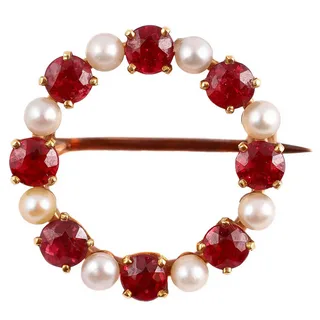
Spinel, a gemstone often overshadowed by its more famous counterparts like ruby and sapphire, has a rich history and significant role in fine jewelry. This precious stone, found in various hues from red to blue and even black, has been admired for centuries for its brilliance, rarity, and vibrant colors. As a gemstone, spinel has a fascinating background and plays an essential part in both historical and modern jewelry design. In this article, we’ll explore the history and significance of spinel jewelry, highlighting its cultural importance, its role in royal collections, and its resurgence in modern designs.
A Brief History of Spinel
Spinel’s historical significance in jewelry dates back to ancient civilizations. The stone has been admired for centuries, but its origins were often confused with rubies due to their similar appearance. In fact, many of the so-called “rubies” in famous royal collections were later identified as spinel upon closer examination.
Spinel was first discovered in ancient Myanmar (Burma) and Sri Lanka, two of the primary sources of the gemstone. It was highly prized by royal families in Asia, especially in India and Persia, who adorned their crowns and regalia with spinels for their vibrant red and pink hues. The stone’s use was not limited to Asia; in Europe, it became a symbol of wealth and power as it was incorporated into the crowns and jewelry of monarchs.
One of the most famous spinels in history is the “Black Prince’s Ruby,” a large, red spinel set in the British Imperial State Crown. This gemstone has an incredible story, as it was originally believed to be a ruby until the 18th century when it was correctly identified as spinel. Its rich history demonstrates the significance of spinel in fine jewelry, especially in royal collections.
The Significance of Spinel in Fine Jewelry
A Stone of Color and Versatility
Spinel is appreciated for its wide range of colors, including red, pink, blue, and even purple and black. While the red spinel is the most recognized, the stone can also be found in more subtle shades like lavender and orange. This versatility allows it to be used in a variety of jewelry pieces, from engagement rings to necklaces and brooches.
The red spinel, often mistaken for ruby, has gained recognition as a worthy alternative to the more expensive ruby. Due to its durability (it ranks 8 on the Mohs hardness scale), spinel is a practical choice for everyday wear, making it suitable for both fine jewelry and more casual designs. The gemstone’s brilliance and clarity make it especially popular in high-quality jewelry settings, where its rich color can be appreciated from every angle.
A Symbol of Wealth and Prestige
Throughout history, spinel has been synonymous with wealth and high status. In the courts of Asia and Europe, only the most prestigious families could afford to commission jewelry adorned with spinels, and these gemstones were often passed down through generations. The significance of spinel in fine jewelry, particularly among royals, was not merely ornamental but also symbolic of power, authority, and heritage.
In the modern era, spinel’s significance as a rare and valuable gemstone continues. Its resurgence in popularity in the 21st century has been driven by an appreciation for colored gemstones and the growing desire for unique, non-traditional stones in engagement rings and luxury jewelry. As collectors and jewelers seek out alternatives to more commonly used gemstones, spinel’s history and beauty position it as an elegant and historically significant choice.
Spinel’s Resurgence in Modern Jewelry
In recent years, spinel has made a strong comeback in the world of fine jewelry. While it was once overshadowed by other gemstones, spinel is now being celebrated for its unique colors and historical significance. Modern jewelers are increasingly using spinel in innovative designs, showcasing the stone’s brilliance in contemporary settings. Whether in minimalist rings, vintage-inspired necklaces, or bold statement pieces, spinel has regained its place in the spotlight.
Furthermore, spinel is a sustainable choice in the fine jewelry market, as it is found in relatively small quantities, and ethically sourced spinel is increasingly available. This has contributed to its growing popularity, particularly among consumers who prioritize sustainability and ethical practices in their jewelry purchases.
Conclusion: The Timeless Appeal of Spinel
The history and significance of spinel in fine jewelry are as vibrant and multifaceted as the stone itself. From royal collections to contemporary designs, spinel has proven itself to be a gemstone of enduring beauty and importance. Whether in its traditional red or a more modern color, spinel continues to be a symbol of luxury, power, and elegance.
