



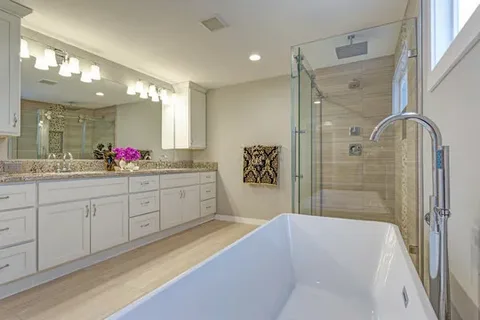
Renovating a bathroom can be both exciting and overwhelming. Whether you’re updating an outdated space or creating a luxurious retreat, careful planning is essential to achieve a successful outcome. This article will walk you through everything you need to know about bathroom remodeling, ensuring your project is smooth, efficient, and visually stunning.
Why Planning is Key
A bathroom remodel involves multiple steps, from design to construction, and skipping the planning phase can lead to costly mistakes. Planning helps you:
- Set a realistic budget
- Choose materials that match your style and needs
- Avoid delays or structural surprises
- Ensure the finished space is both functional and aesthetically pleasing
By treating the planning stage as a priority, you set the foundation for a remodel that will stand the test of time.
Setting Your Budget and Goals
Before picking out tiles or fixtures, determine your budget. Consider the following:
- Labor Costs: Hiring contractors can be the largest expense.
- Materials and Fixtures: High-quality materials may cost more upfront but save money in the long run.
- Unexpected Costs: Always set aside 10–15% of your budget for surprises.
Next, define your goals. Are you aiming for a spa-like retreat, a family-friendly space, or simply increasing home resale value? Understanding your priorities will guide every decision, from layout to color scheme.
Choosing the Right Design
Design choices affect both aesthetics and functionality. Here are key considerations:
- Layout: Maximize space by evaluating current plumbing and possible reconfigurations.
- Style: Modern, rustic, minimalist, or traditional – choose a style that complements the rest of your home.
- Storage Solutions: Cabinets, shelving, and vanities keep your bathroom organized and clutter-free.
Using 3D design tools or consulting with a professional can help visualize the space and make informed decisions before construction begins.
Selecting Materials and Fixtures
Material and fixture selection is crucial for durability and style. Consider:
- Flooring: Non-slip tiles or waterproof vinyl for safety and longevity.
- Countertops: Quartz and granite are durable and easy to clean.
- Fixtures: Faucets, showers, and bathtubs should balance style, functionality, and water efficiency.
Remember, the right materials not only enhance beauty but also simplify maintenance.
Hiring Professionals vs. DIY
Deciding whether to hire contractors or take a DIY approach depends on your skills and project complexity.
- Professional Contractors: Ideal for plumbing, electrical, or structural work.
- DIY: Feasible for painting, simple tiling, or minor decorative updates.
A combination of both can save money while ensuring quality results.
Final Tips for a Successful Remodel
To wrap up your planning, keep these tips in mind:
- Plan for lighting – layers of ambient, task, and accent lighting can transform your bathroom.
- Choose a color palette that promotes relaxation and complements fixtures.
- Ensure ventilation to prevent mold and moisture damage.
- Stick to your timeline but remain flexible for unexpected challenges.
By following these guidelines, you’ll be well-prepared to tackle your project and create a space you’ll enjoy for years.
Conclusion
The Ultimate Guide to Planning a Successful Bathroom Remodel emphasizes preparation, smart budgeting, thoughtful design, and careful selection of materials and professionals. Whether you’re doing a minor update or a full-scale renovation, applying these strategies will help you achieve a bathroom that’s both beautiful and functional.
