



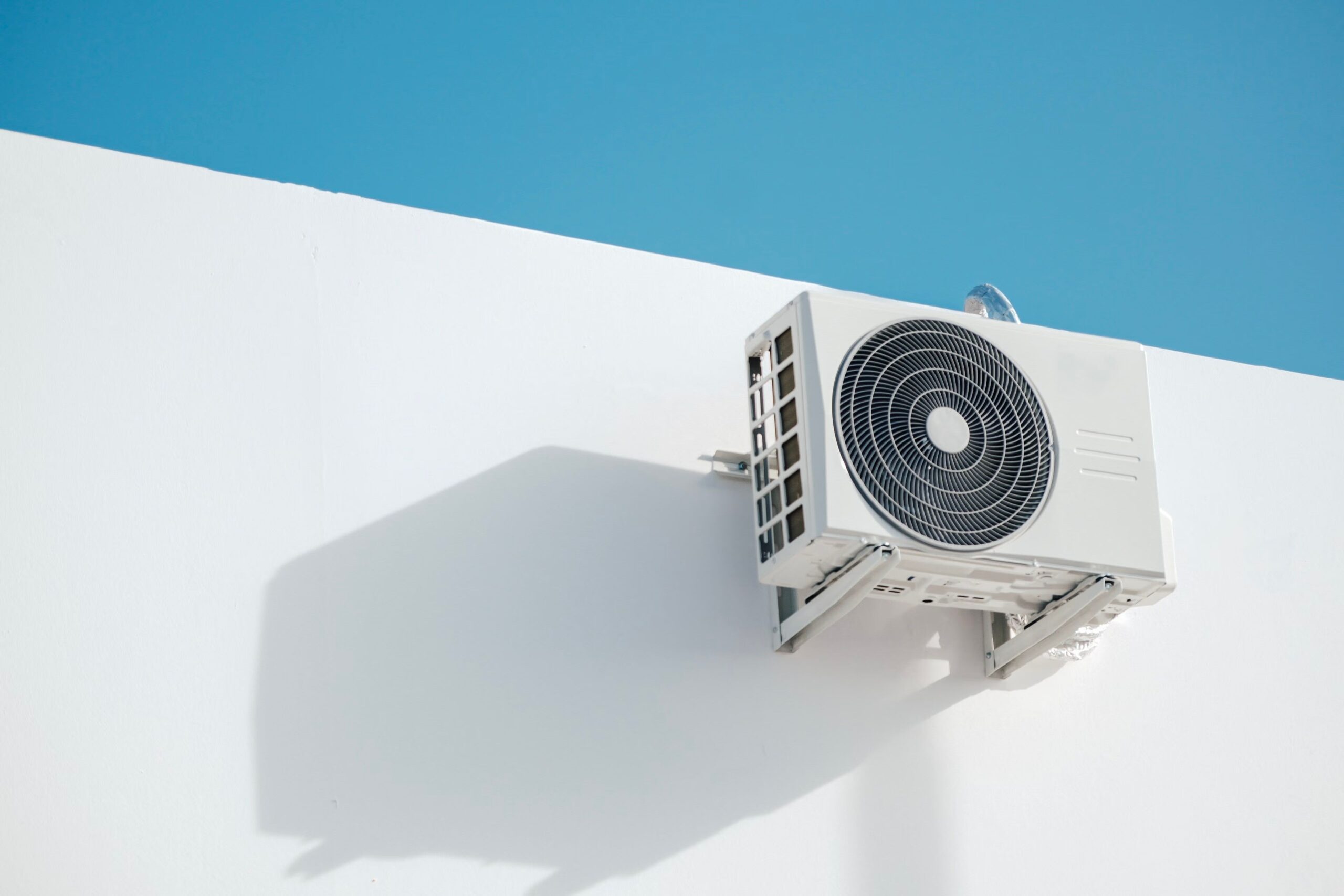
An air conditioner can seem simple when it is working normally. You set the temperature, cool air comes through the vents, and the system cycles on and off as needed. Trouble often becomes noticeable when something changes, such as a room that stays warm, a strange sound from the outdoor unit, or a system that runs much longer than usual. Recognizing these changes can help homeowners decide when AC repair may be necessary.
Weak Airflow And Poor Circulation
Air coming from the vents should have enough force to circulate through the room. When the airflow suddenly feels weaker, the cause could be something as simple as a clogged filter or a blocked vent. However, reduced airflow can also occur when there is a problem with the blower, ductwork, or another internal part of the cooling system.
Homeowners can start by looking at the easy things first. Make sure supply vents are open, furniture is not covering them, and the air filter is not packed with dust. If those areas appear fine and the airflow is still noticeably poor, the problem may require a closer look. Leaving restricted airflow unresolved can put extra demand on the equipment and make the home harder to cool.
Uneven Cooling Throughout The Home
Some homes naturally have rooms that warm up faster than others, especially those with large windows or more direct sunlight. Still, a sudden difference in temperature can signal a change in the cooling system. You might notice that the living room feels comfortable while a bedroom stays warm, even though both areas are connected to the same air conditioner.
Several things can contribute to this problem, including blocked vents, duct leaks, insulation issues, thermostat placement, or trouble within the cooling equipment. Closing vents in rooms that feel too cool is not always a good solution because it can change the way air moves through the system. If uneven temperatures continue, finding the source is more useful than simply adjusting individual vents.
Unusual Sounds From The System
Every air conditioner makes some noise while it operates. You may hear the outdoor fan running, the system starting up, or air moving through the ductwork. A new sound, however, can be worth noticing. Rattling could come from something loose, while scraping or grinding may indicate that moving parts are rubbing together.
Do not assume that a strange sound will disappear on its own. A minor loose part may become a bigger mechanical problem if the equipment continues running. If the noise is loud, sudden, or accompanied by poor cooling, shutting the system down and arranging an inspection can be a safer choice. A technician can determine where the sound is coming from and whether a repair is needed.
Water Leaks And Excess Moisture
An air conditioner removes moisture from indoor air as part of the cooling process. That moisture normally leaves through a drain system, so water collecting around the equipment is not something to overlook. A blocked drain line, frozen coil, damaged drain pan, or another issue can cause water to appear near the indoor unit.
Repeated moisture can create problems beyond the air conditioner itself. Water may stain ceilings, damage flooring, affect nearby walls, or contribute to unwanted growth when damp conditions remain for too long. If you find water near the equipment, look for the source rather than simply cleaning the visible puddle. The underlying problem needs to be addressed to prevent the moisture from returning.
Rising Energy Bills
A change in the cost of running an air conditioner can sometimes provide an early clue that something is wrong. Energy prices and outdoor temperatures naturally affect monthly bills, so one higher bill does not automatically mean the system needs service. However, a steady increase combined with longer cooling cycles or weaker performance deserves attention.
An aging component, restricted airflow, dirty equipment, or another mechanical problem can make the system work harder to reach the thermostat setting. In that situation, the air conditioner may continue running without providing the same level of comfort. Looking at both the utility bill and the system’s behavior can provide a better picture of whether a repair may be needed.
Keeping the Cooling System Reliable
Homeowners can often spot the first signs of an air conditioner problem simply by noticing changes in normal operation. Weak airflow, rooms that no longer cool evenly, strange noises, unexplained moisture, and higher energy costs can all provide useful clues. These signs do not always point to the same AC repair, which is why finding the cause matters.
Basic care can also help keep the system in better condition. Replacing filters when needed, keeping vents clear, maintaining space around outdoor equipment, and paying attention to unusual changes can support normal operation.
When a problem involves electrical components, refrigerant, wiring, or internal mechanical parts, professional service is the safer option. Taking action when a problem first appears may help prevent a small fault from becoming a more disruptive repair.
