



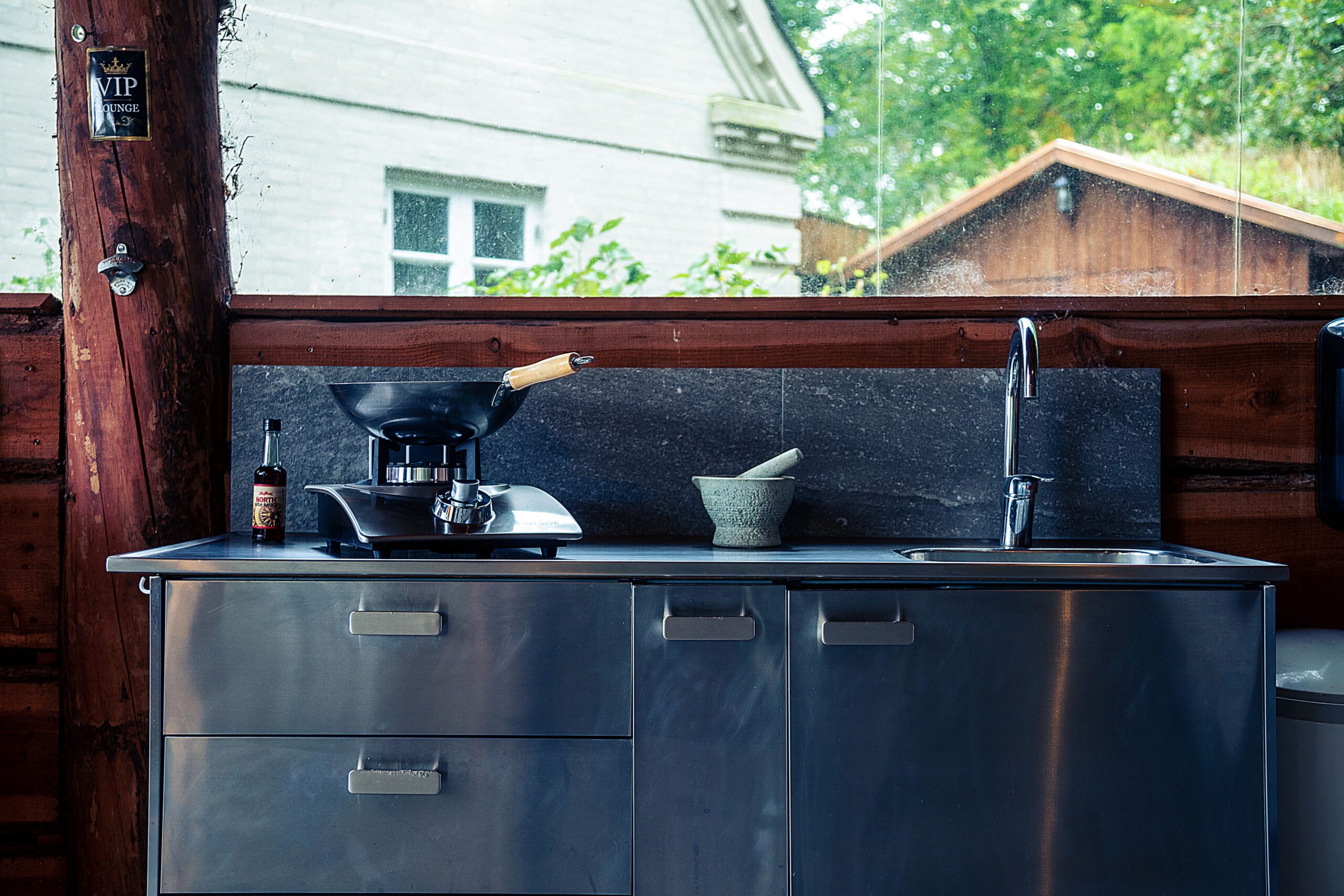
An outdoor kitchen can turn an underused patio, deck, or backyard area into a practical place for cooking and entertaining. However, choosing one involves more than selecting a grill that looks good. The layout, materials, appliances, utilities, maintenance needs, and local climate can all affect how well the kitchen works over time.
If you plan to buy outdoor kitchens, taking time to evaluate these factors can help you choose a setup that fits your space and how you actually use it.
Start With How You Plan to Use the Space
Think about what you want to do in the outdoor kitchen before looking at individual features. Someone who mainly grills on weekends may need a very different setup from someone who prepares full meals outdoors several times a week.
Consider how many people you typically cook for and whether you regularly entertain guests. You may want additional counter space for food preparation, a sink for cleanup, or refrigeration for ingredients and drinks. If the kitchen will be used mostly for quick meals, a simpler arrangement may be more practical.
Your cooking habits should guide the design rather than the other way around. Making a list of your most common outdoor cooking activities can help you identify which features deserve space in the budget.
Measure the Available Area
Outdoor kitchens need enough room for cooking, preparation, movement, and seating. Before purchasing anything, measure the area where the kitchen will be installed and note the locations of doors, windows, steps, walls, and existing structures.
Think about how people will move through the space. A grill should not block a walkway, while cabinet doors and appliance doors need enough clearance to open safely. You should also leave adequate room around hot cooking equipment and account for ventilation requirements.
A scaled layout can make it easier to determine whether a particular kitchen configuration will feel comfortable once everything is installed.
Choose Materials for Outdoor Conditions
An outdoor kitchen faces conditions that an indoor kitchen does not. Sun exposure, rain, humidity, temperature changes, and airborne debris can gradually affect cabinets, countertops, hardware, and appliances.
Look for materials designed specifically for outdoor use. Stainless steel is commonly used for outdoor cabinetry and appliances because of its durability and resistance to corrosion, although the grade and construction still matter. Countertop materials should also be selected according to the climate and expected exposure.
Consider how much maintenance you are willing to perform. Some finishes may require more frequent cleaning or protection than others. A material that looks attractive when new may not be the best choice if maintaining it becomes inconvenient.
Evaluate the Appliances
The grill is often the centerpiece of an outdoor kitchen, but it is not necessarily the only appliance worth considering. Depending on your cooking style, you might benefit from a side burner, refrigerator, ice maker, sink, pizza oven, smoker, or warming drawer.
Consider what each appliance will contribute to your routine. If you rarely use a particular feature indoors, you may not need it outdoors either. On the other hand, an appliance that saves repeated trips into the house could make the outdoor kitchen considerably more convenient.
Pay attention to appliance dimensions, fuel requirements, electrical connections, ventilation, and maintenance access before committing to a layout.
Plan for Utilities and Installation
Some outdoor kitchen components require more preparation than simply assembling cabinets. Gas lines, electrical connections, plumbing, drainage, and ventilation may need to be incorporated into the design.
Determine what utilities are already available and what modifications may be necessary. Gas-powered appliances may require properly sized lines and connections, while refrigerators, lighting, and other equipment need suitable electrical service. A sink will also require appropriate water and drainage arrangements.
Professional installation can help ensure that these systems are planned correctly and that equipment is positioned according to applicable safety requirements. Local building, electrical, gas, or plumbing regulations may also affect the project.
Think About Weather Protection
Even weather-resistant equipment benefits from protection. A covered patio, pergola, roof structure, or strategically placed enclosure can help reduce direct exposure to rain and intense sunlight.
Protection can also make the space more comfortable to use. Consider where the kitchen will receive the most sun throughout the day and whether smoke, wind, or rain could affect cooking.
Covers may be useful for individual appliances, particularly when they will not be used for extended periods. However, covers should be compatible with the manufacturer’s recommendations and should not interfere with ventilation.
Set a Realistic Budget
The purchase price is only one part of an outdoor kitchen project. Installation, utility work, countertops, appliances, lighting, seating, weather protection, and future maintenance can all add to the overall cost.
Create a budget before selecting individual features. It can be helpful to separate essential components from upgrades you would enjoy but could add later. This approach keeps the project focused and gives you flexibility if installation costs are higher than expected.
Also consider long-term value. Spending more on a durable component may make sense if it reduces replacement or maintenance needs over time.
Consider Storage and Maintenance
Outdoor cooking creates many of the same storage needs as an indoor kitchen. Cabinets can provide space for cooking tools, serving items, cleaning supplies, and other equipment. However, outdoor storage should be designed to withstand moisture and temperature changes.
Maintenance should also be part of your decision. Ask how individual materials should be cleaned, whether appliances need seasonal care, and how replacement parts are handled. Understanding these requirements before purchasing can prevent surprises later.
Make the Kitchen Fit Your Lifestyle
The best outdoor kitchen is not necessarily the largest or most feature-packed option. It is one that works naturally with your property, cooking habits, budget, and maintenance preferences.
Before making a purchase, evaluate the available space, choose outdoor-rated materials, compare appliances, plan utilities carefully, and think about weather exposure. A well-planned kitchen can provide a comfortable cooking area without adding features you are unlikely to use.
Taking these considerations seriously before you buy outdoor kitchens can help you create an outdoor cooking space that remains useful, manageable, and enjoyable for years to come.
