



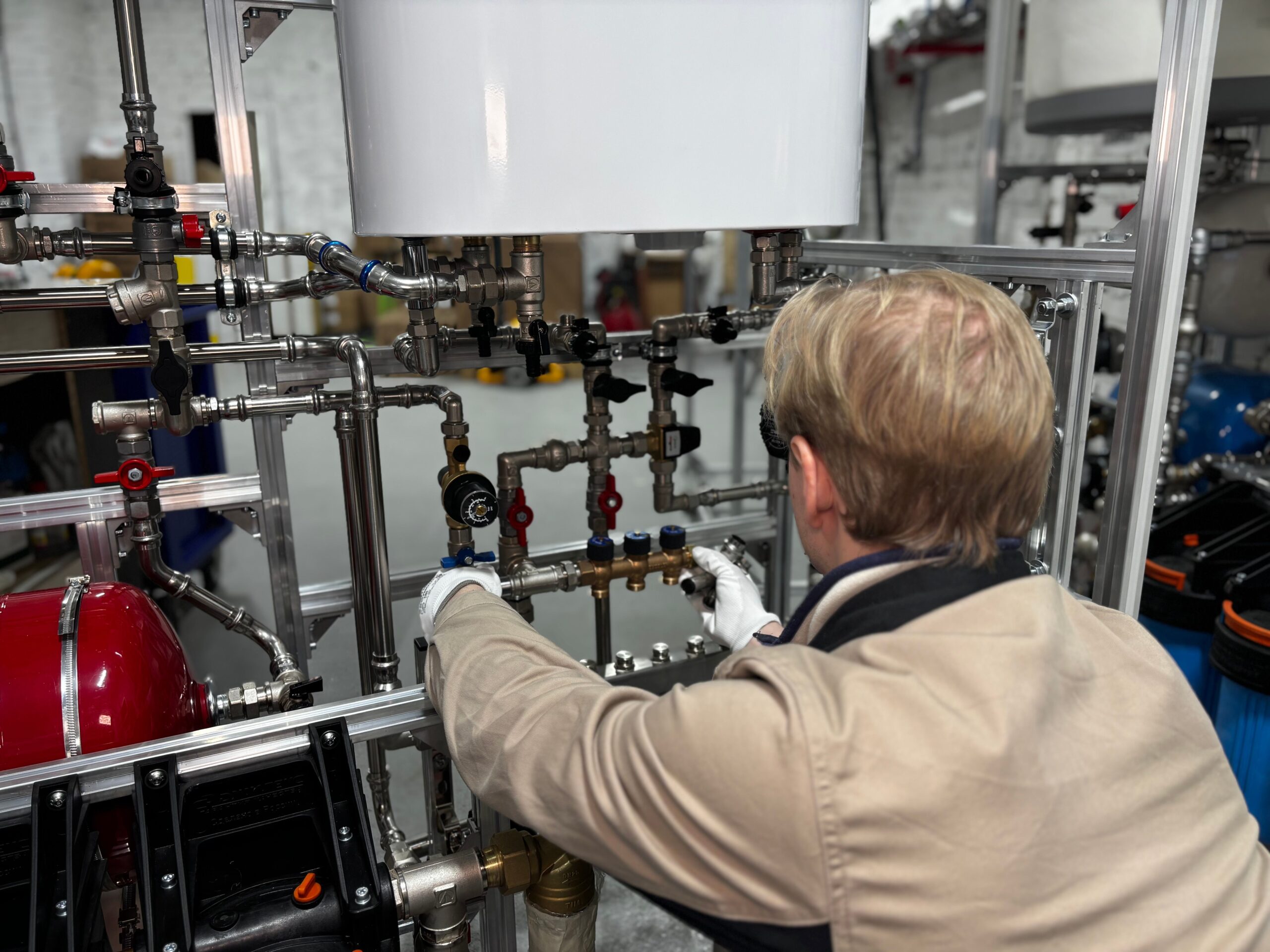
Industrial boilers provide heat and steam for many types of facilities, so a problem with the system can affect more than the equipment itself. Changes in pressure, temperature, water levels, fuel use, or operating sounds may signal that something needs attention. Recognizing these signs early can help facility teams respond before a manageable issue causes a longer interruption or creates a safety concern.
Unusual Boiler Sounds
Industrial boilers normally produce operating sounds, but a sudden change can indicate that something inside the system is not working as it should. Banging, knocking, whistling, rattling, or repeated clicking may point to issues involving water flow, burners, pumps, valves, or other components. The location and timing of the sound can also provide useful information when the equipment is being inspected.
A new sound should not simply be dismissed because the boiler continues to produce heat or steam. Mechanical problems can become more serious when equipment keeps operating under poor conditions. When unusual noises continue, shutting down the system according to established safety procedures and arranging a professional inspection can help prevent further damage.
Pressure and Temperature Changes
Boiler pressure and temperature need to remain within the operating range established for the specific system. A pressure reading that suddenly rises or falls can indicate a problem with controls, valves, water levels, circulation, or another component. Temperature changes can also affect system performance, particularly when the boiler is expected to provide steady heat for industrial processes.
Operators should pay attention to readings that differ from the normal pattern rather than focusing only on whether the equipment is currently running. Keeping accurate operating records can make unusual changes easier to spot. If readings continue to move outside their expected range, the system should be evaluated before the issue affects other equipment or facility operations.
Water Level Problems
Water is essential to many boiler systems, making proper water level control an important part of safe operation. Levels that are too low can create serious problems because parts of the boiler may not receive the cooling they require. Excess water can also affect steam quality and create operating problems for connected equipment.
Changes in water level may be caused by leaks, faulty controls, feedwater problems, blocked lines, or other system issues. Regular monitoring can help operators notice unusual changes sooner. Since low water conditions can create serious hazards, facility personnel should follow the boiler manufacturer’s instructions and established safety procedures instead of attempting unfamiliar repairs while the equipment is operating.
Burner and Fuel Issues
The burner is responsible for creating the heat needed by the boiler, so problems in this area can affect both performance and safety. Signs may include difficulty starting, unstable flames, unusual odors, soot, repeated shutdowns, or changes in fuel consumption. These symptoms can have several possible causes, including dirty components, ignition problems, fuel supply issues, or control faults.
Fuel-related repairs require particular care because boilers may operate with gas, oil, or other fuels. A problem with combustion should not be handled through trial and error. Proper testing can help determine whether the issue involves the burner, fuel delivery system, controls, or another component, while also reducing the risk of creating a more serious operating condition.
Control and Electrical Faults
Modern boiler systems rely on controls to monitor temperatures, pressure, water levels, burner operation, and other conditions. Electrical faults or damaged control components can interfere with these functions. Warning signs may include unexpected shutdowns, incorrect readings, repeated alarms, or equipment that does not respond properly to normal operating commands.
Because control systems can be connected to several parts of the boiler, finding the source of a fault may require testing rather than simply replacing a visible component. Electrical work should be performed by qualified personnel who understand the equipment and follow appropriate safety procedures. This approach can help prevent additional damage and reduce the chance of an incorrect repair.
Steam Performance Changes
A boiler may continue running while producing steam differently than it normally does. Lower steam output, inconsistent pressure, or changes in steam quality can point to a developing problem. Since many industrial processes depend on steady steam, even a gradual change can affect production and equipment connected to the boiler.
The cause may involve water conditions, burner performance, scale buildup, pressure controls, valves, or other components. This is one reason routine inspections matter even when there is no obvious breakdown. Identifying a performance change early may make it easier to find the source and determine whether industrial boiler repair is needed.
Maintaining Reliable Boiler Operation
Boiler maintenance is easier when operators know what normal operation looks and sounds like. Unusual pressure readings, water level changes, burner problems, leaks, corrosion, control faults, and steam performance changes can all provide early warning signs. Keeping operating records and following the manufacturer’s maintenance requirements can also make it easier to notice problems before they interfere with facility operations.
When a boiler develops a serious fault, repairs should be handled by qualified professionals familiar with industrial equipment. Proper diagnosis is important because several different problems can produce similar symptoms. Addressing the actual cause, rather than only treating the visible symptom, can help restore safe operation and reduce the chance of repeated equipment problems.
